







Search Results for: flow guide performance
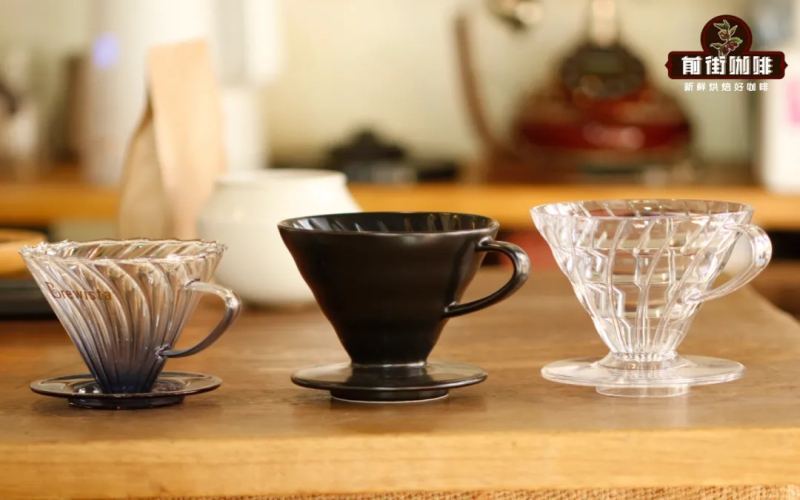
A Beginner's Guide to Choosing Home Coffee Brewing Equipment: A Full Analysis of the Heat Retention and Flow Dynamics Differences Between Resin, Glass, and Ceramic Drippers
Faced with the dazzling array of V60 drippers on the market, beginners are often confused about how to choose among resin, glass, and ceramic materials. After receiving readers' messages, Front Street Coffee specifically used Ethiopian Yirgacheffe Gutingting washed beans for comparative brewing, testing everything from heat retention and flow dynamics to the final flavor performance. This article fully presents the temperature change data of drippers made of different materials under preheated and non-preheated conditions, analyzes why ceramic retains heat well but tends to over-extract, while resin cools quickly yet delivers better layering, and offers purchasing advice for different roast levels and taste preferences, helping coffee lovers find the one that suits them best. [more…]
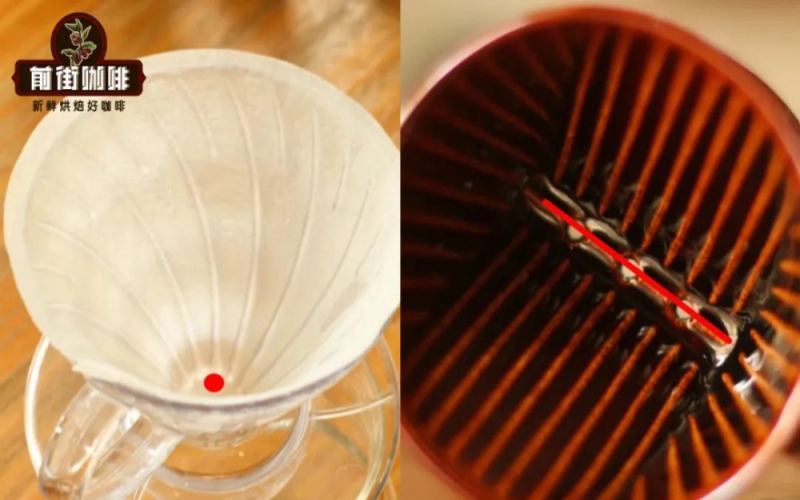
Flavor Characteristics and Key Operational Points of Flat-Bottom Dripper Coffee Brewing: From Structural Principles to Front Street Coffee's Practices with the Sidra Variety
Flat-bottom drippers have gradually drawn attention in the pour-over field in recent years. The extraction performance brought by their flat bottom and special flow-guiding structure differs noticeably from common conical drippers. This article starts with the background of the birth of the Kalita Wave, sorting out the design origins of flat-bottom drippers, the distribution characteristics of their flow-guiding ribs, and their influence on water flow paths, then compares them with the extraction logic of conical drippers such as the V60. After that, using Front Street Coffee's Colombia·Frontera Chiroso as an example, it shares a three-pour brewing recipe suited to flat-bottom drippers, recording the actual brewing time and tasting impressions to help coffee enthusiasts understand the unique aspects of flat-bottom drippers in flavor presentation. [more…]
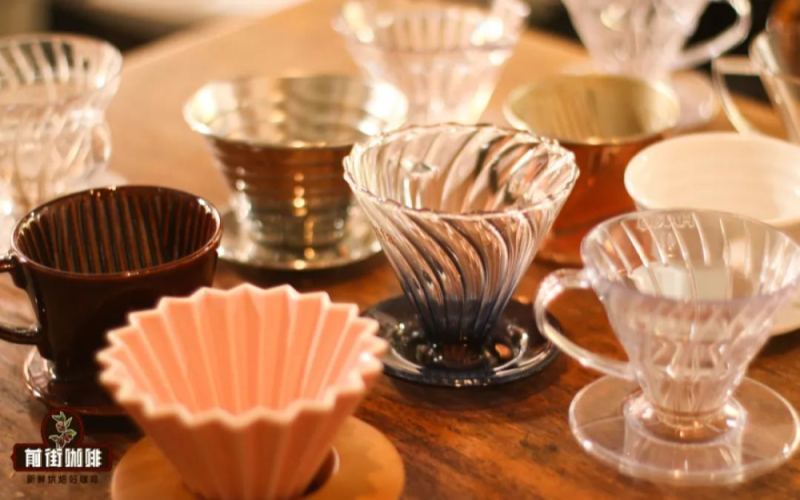
How Do Flow-Guiding Ribs and Holes Affect Pour-Over Extraction? A Full Analysis of Dripper Structural Differences
Pour-over drippers on the market come in all shapes and sizes, from conical to fan-shaped, from single-hole to multi-hole, and behind every design lies a different extraction logic. The key to a cup of coffee's flavor direction is often hidden in the distribution of the dripper's ribs and the drainage holes. How do the flow channels alter the water path? Why do spiral ribs make extraction more even? How do the number and size of the holes affect the drainage speed? From Front Street's perspective, this article breaks down the core structure of the dripper one by one, helping you see the essence amid a dazzling array of products and choose the one that truly suits you. [more…]
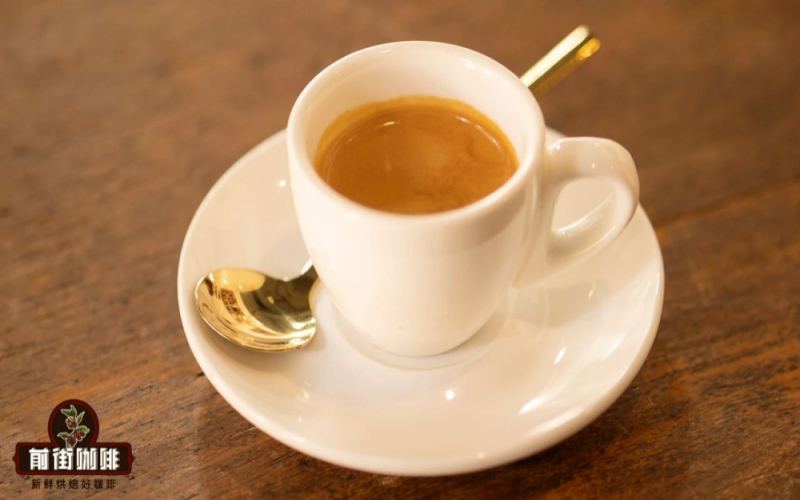
A Detailed Guide to Espresso Making Standards and Extraction Parameters, and a Buying Guide for Front Street Coffee's Espresso Blend Beans
As the soul of a café's offerings, espresso's preparation process and extraction standards have always been a focal point for coffee enthusiasts. Starting from international technical standards, this article will provide a detailed interpretation of how the six major extraction parameters—dose, ratio, time, flow rate, pressure, and water temperature—affect espresso flavor, helping readers understand how to make a proper Espresso. At the same time, the article will introduce several espresso blend coffee beans currently sold by Front Street Coffee, including Black Cocoa Blend, Specialty Blend, Commercial Blend, and Strawberry Candy Blend, covering specific recipes, flavor descriptions, and suitable applications. Finally, we will also remind everyone to pay attention to the roasting date and optimal flavor period when purchasing coffee beans, ensuring that every cup of coffee can present its best state. [more…]
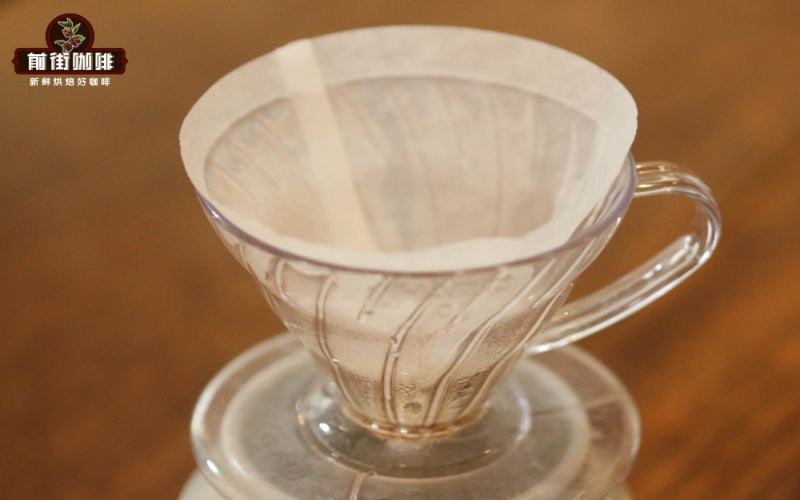
How to Choose a Pour-Over Dripper? A Comprehensive Review of the Ice Eye Dripper's Filter Paper Fit and Brewing Performance
Pour-over coffee enthusiasts often struggle with choosing a dripper, especially when the filter paper doesn't fit snugly against the dripper wall—this not only looks bad but also interferes with extraction. This article, from the perspective of a seasoned V60 user, takes an in-depth look at the unique design of the Ice Eye dripper—it may seem similar to the V60, but it achieves near-perfect filter paper adhesion. The article provides a detailed analysis of the Ice Eye dripper's rib structure, flow channel shape, and drainage speed characteristics, and compares it with drippers like the V60 and Kono to explain its extraction performance at different water levels. Front Street Coffee believes that no dripper is inherently superior or inferior—it's only about whether it suits your brewing habits. If you care about filter paper adhesion and stable extraction results, it's worth learning about this resin version of the Ice Eye dripper. [more…]

Latte Art Pitcher Buying Guide: How Spout Width Affects Milk Foam Flow and a Practical Breakdown of the Etched Tulip
Many people always feel hindered when practicing latte art, and the patterns are difficult to achieve the desired effect. If technical factors are ruled out, the problem is likely with the milk pitcher itself. On the market, milk pitchers vary in capacity, spout shape, and guide groove design. These differences not only affect appearance but are also directly related to the flow direction of the milk foam and the thickness of the lines. Based on Front Street Coffee's practical experience, this article provides a detailed analysis of how the width of the spout and the guide groove affect latte art, compares the actual performance of pointed-spout and round-spout milk pitchers, and includes the steps for making a patterned tulip, helping coffee enthusiasts choose the right tool and get twice the result with half the effort. [more…]
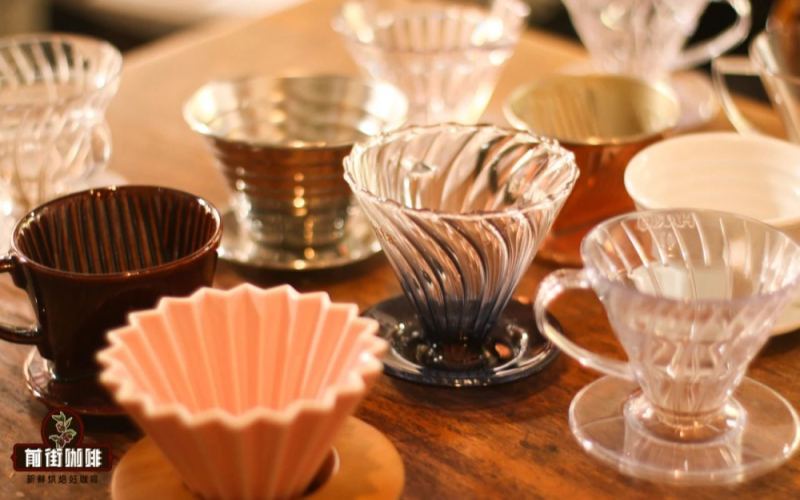
Pour-Over Coffee Filter Cup Selection Guide: How Different Shapes and Materials Affect Extraction and Flavor Performance
In the ecosystem of pour-over coffee equipment, the dripper plays a key role in determining the direction of extraction. Since the introduction of filter paper and drippers in the early twentieth century, more than a century of improvements has produced a rich variety of drippers on the market in terms of shape, number of holes, grooves, and materials, and each difference directly affects flow rate and extraction time, ultimately reflected in the coffee's mouthfeel and flavor. This article systematically reviews the design characteristics and suitable applications of mainstream dripper types such as fan-shaped, conical, wave, and metal, and further discusses the impact of materials such as ceramic, resin, and glass on heat retention. At the same time, drawing on Front Street Coffee's bean list, the article provides specific pairing suggestions for different drippers, helping coffee enthusiasts find a brewing method that suits them on the basis of understanding the equipment's characteristics. [more…]
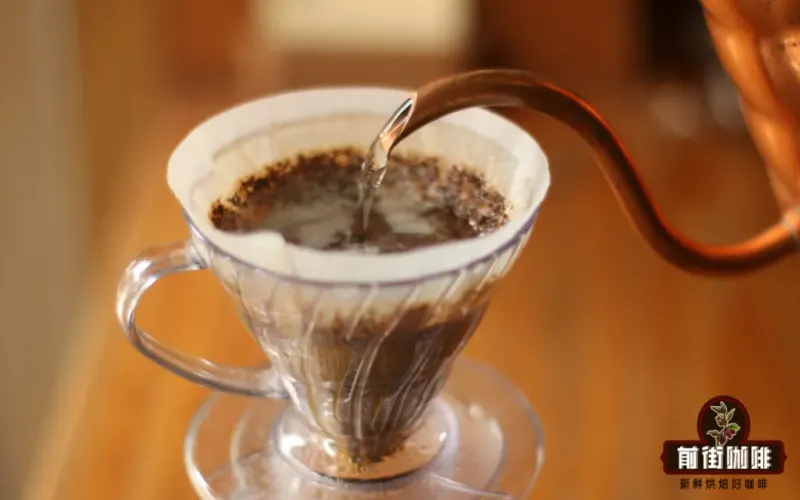
A Complete Guide to Pour-Over Coffee Water Pouring Techniques: The Key to Even Extraction and the Real Impact of Flow Rate on Flavor
Many people believe that as long as they buy good-quality coffee beans, it will not taste bad no matter how they brew it, but this is not the case. Pouring water itself is an extremely critical extraction variable; it determines whether the coffee grounds can be extracted evenly and also directly affects the flavor performance in the final cup. Just as a chef constantly tosses food in the wok to heat it evenly when cooking, the pouring motion in pour-over brewing also requires different flow rates and strength at different stages to regulate the process. Starting from the fundamental purpose of pouring water, this article will explain why pour-over coffee requires attention to the pouring method, and specifically analyze the difference between a strong flow and a gentle flow, helping you understand how to achieve even extraction through flow control while avoiding the extraction of unpleasant substances. [more…]
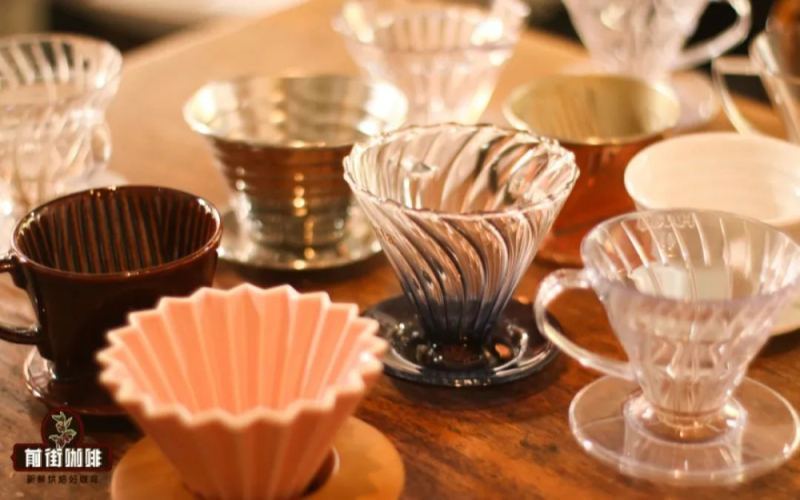
Should pour-over parameters be adjusted according to differences in dripper shape and flow rate?
In the practice of pour-over coffee, many enthusiasts directly apply common brewing frameworks, such as controlling the total extraction time to around two minutes. But in actual brewing, the same parameters may show significant time deviations due to different drippers. What exactly is going wrong behind this? The shape of the dripper, the size of the holes, and the distribution of the flow-guiding ribs all change the drainage speed, which in turn affects the final flavor. This article compares the measured performance of the V60 and the cake dripper to explore a core question: when facing drippers with different flow rates, must we re-plan the brewing framework? And how should we view the parameter of extraction time? [more…]
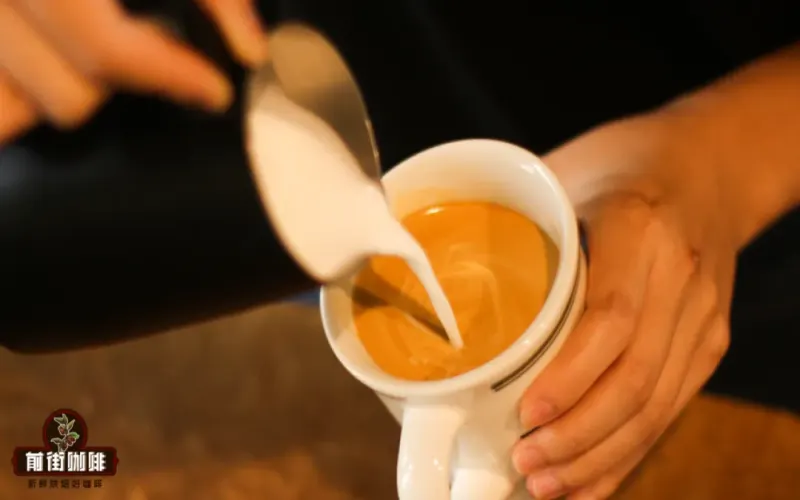
Analysis of Four Common Mistakes in the Milk Integration Stage of Latte Art: A Complete Guide to Pour Height, Flow Rate, and Crema Condition
When making a latte, the integration step before latte art is often overlooked, yet it is just as crucial as the bloom in pour-over coffee. Improper integration directly affects the aesthetics of the pattern and the difficulty of drawing it. This article summarizes the four most common mistakes made by beginners and advanced players during integration: too low a pouring distance, too high a flow rate, unstable flow, and espresso crema left sitting too long and losing its fluidity. At the same time, Front Street Coffee offers recommendations for classic blend and commercial blend beans to help you achieve ideal crema and flavor. Mastering these key points can effectively improve your latte art success rate and overall coffee performance. [more…]
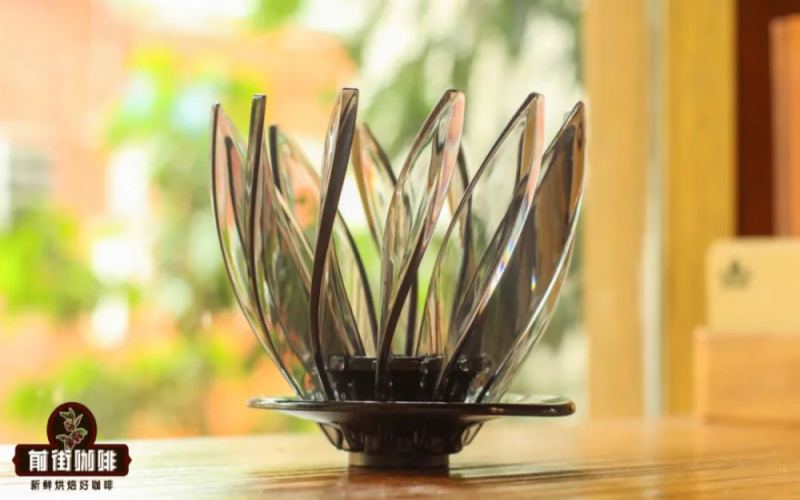
Hario Water Lily Dripper vs V60: The Removable Petals, Flow Rate Performance, and Brewing Tips
The Hario V60 Mugen dripper is composed of a detachable 12-blade and base assembly, completely different from the common one-piece drippers. The resin material is heat-resistant and shatterproof, and the blade colors can be freely mixed and matched. It has no cup wall, and the filter paper is supported entirely by the blades, which serve both as a skeleton and as flow guides. In actual testing, the average flow rate after filling with water is about 8ml/s, faster than Kono but slower than the V60's 10ml/s, placing it in the medium-fast range. However, the longer blades raise the pouring height and increase the impact force, making it prone to over-extraction with doses under 20g; it is better suited to 20g or more with an 02-size filter paper. Front Street Coffee also found that removing the blades unlocks a variety of brewing methods, including single-serving setups. [more…]

A Complete Guide to Espresso Extraction: Practical Control Methods for Dose, Ratio, Time, and Grind Size
Want to make a balanced espresso at home but keep struggling with unstable flow rate and flavors that swing between sour and bitter? The truth is, there is no one-size-fits-all fixed parameter set for espresso extraction—coffee bean condition, grinder performance, machine pressure, and water temperature can all skew the results. This article approaches the topic from six dimensions—dose, brew ratio, extraction time, flow rate, pressure, and water temperature—and systematically explains how to customize a suitable extraction plan for the blend you have on hand, with specific references based on Front Street Coffee's classic blend and Strawberry Candy Espresso. It also includes methods for measuring espresso concentration and extraction yield to help you use golden cup data as a guide for adjustments, so you can ultimately find the cup you truly enjoy. [more…]
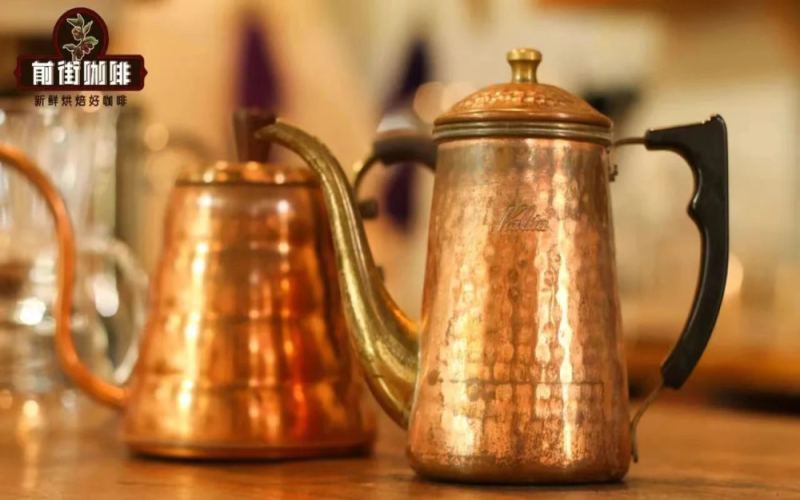
How to Choose the Right Pour-Over Kettle for Your Home Coffee Corner? A Comprehensive Guide from Temperature Control and Spout to Material
Creating a coffee corner at home—a handy pour-over kettle often determines how smooth your brewing experience will be. Faced with the dazzling array of options on the market, everything from temperature-controlled versus non-temperature-controlled, spout shape, body capacity, handle design, to material differences will affect water flow control and ease of use. This article will systematically sort out the key dimensions for choosing a pour-over kettle, helping beginners and advanced enthusiasts find the one that suits them best, and also includes Front Street Coffee's recommended flavor progression for beginner coffee beans, making it easier to pair your equipment with your beans. [more…]
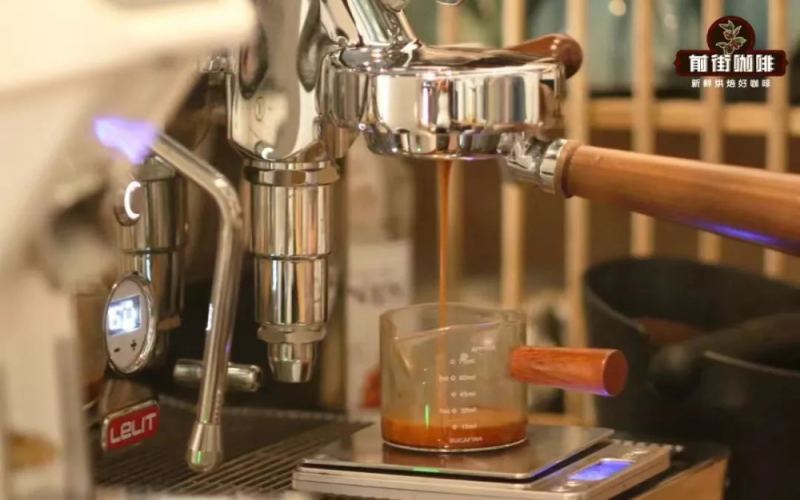
A Comprehensive Analysis of Espresso Extraction Standards and Parameter Adjustment: A Practical Guide from Grind Ratio to Flavor Calibration
In making espresso, data parameters are always just reference coordinates, not formulas that must be copied exactly. This article centers on the essence of extraction standards, offering an in-depth analysis of the dynamic balance among dose, grind size, and yield, and drawing on Front Street Coffee's daily hands-on experience to systematically sort out how to judge whether extraction is normal by observing the flow and tasting the flavor, and how to make targeted fine adjustments to the parameters. At the same time, the article also explores the differences in extraction strategies for the base of lattes versus Americanos, helping you truly understand the logic of extraction rather than mechanically replicating numbers. [more…]
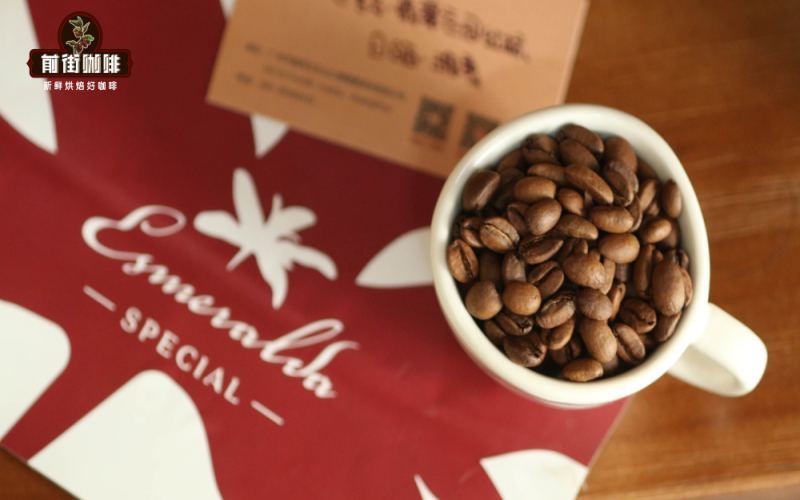
The Complete Guide to Panama Blue Label Geisha Pour-Over: Comparison of Different Drippers, Cold Brew Parameters, and Flavor Performance
The Geisha from Panama's Hacienda La Esmeralda has long been regarded as the representative of floral-type coffee, and the Blue Label, as one of its grades with outstanding value for money, is suitable for everyday pour-over exploration. This article focuses on Front Street Coffee's Panama Blue Label Geisha, first introducing its origin, grade, and processing method, then providing specific water temperatures, grind sizes, coffee-to-water ratios, pouring rhythms, and extraction times for four methods—the Kalita three-hole trapezoid dripper, V60, cake filter, and cold brew—along with a description of each one's flavor direction. Whether you pursue complexity, balanced richness, or a crisp and refreshing taste, you can find a corresponding brewing plan here, and at the end of the article there is also a comparative summary of different devices and selection advice. [more…]
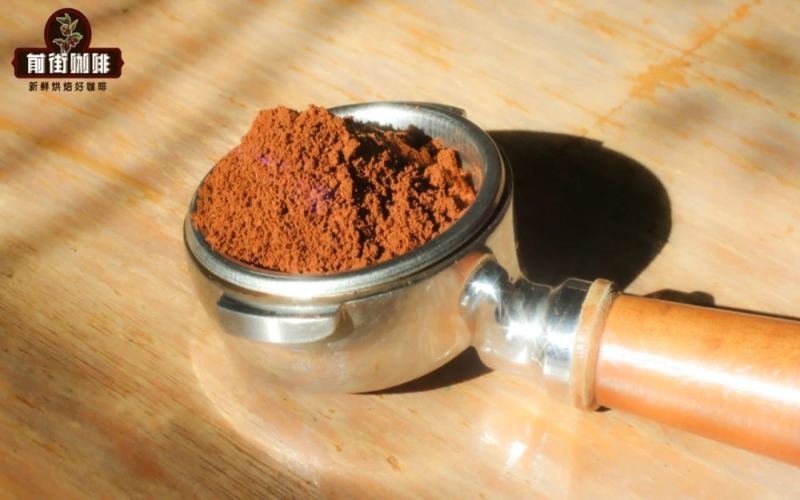
From Bean Selection to Extraction: A Practical Guide to Espresso Making Essentials and Parameter Adjustment
Espresso may seem like it only takes a few short seconds to make, but in reality it involves the precise coordination of multiple variables such as the coffee-to-water ratio, grind size, and extraction time. Drawing on Front Street Coffee's hands-on experience, this article systematically sorts out how the brew ratio affects flavor in espresso extraction, the logic behind adjusting flow rate and grind size, and the specific methods for daily parameter tuning. At the same time, for home brewing scenarios, it analyzes the differences in espresso extraction performance between light-roast single-origin beans and blend beans, and recommends Front Street Coffee's classic espresso blend. At the end, it also includes the steps for tasting espresso, helping enthusiasts fully experience the flavor layers of a cup of Espresso from the first sip to the finish. [more…]
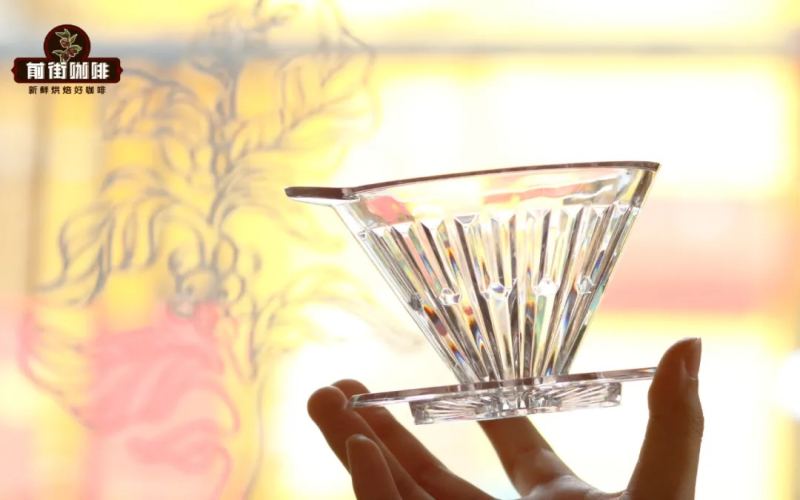
Coffee Beginner's Filter Cup Buying Guide: Ice Eye Filter Cup Structure Principles, Brewing Performance, and Comparison with V60
For those new to pour-over coffee, choosing the right dripper is often the first step in ensuring consistent results. This article provides a detailed analysis of the Ice Eye dripper, starting with the design of its exhaust groove structure, explaining its fundamental differences from the V60's spiral ribs, and presenting the differing flavor tendencies of the two drippers through practical comparisons under identical brewing parameters. The article also incorporates a brewing case using Front Street Yirgacheffe Gotiti Cooperative washed beans, offering dripper selection recommendations for coffee beans of different roast levels and processing methods, helping beginners make more suitable choices based on bean characteristics. [more…]
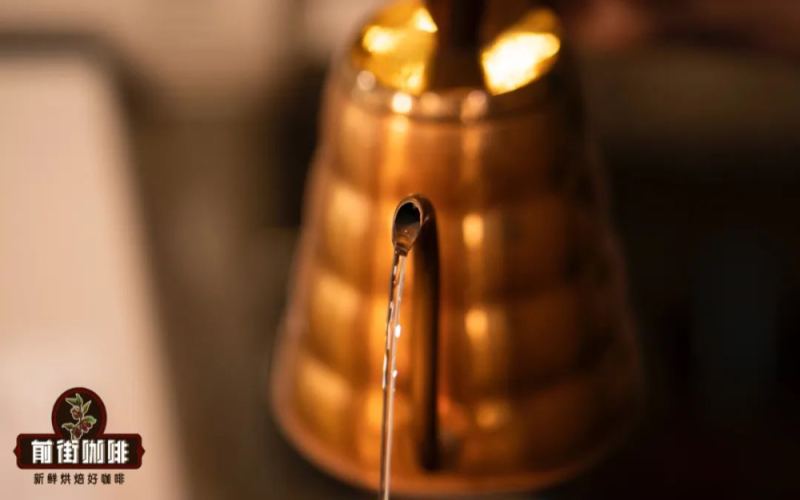
A Comprehensive Guide to Pour-Over Coffee Water Control Techniques: The Difference Between High and Low Flow Rates and Systematic Practice Methods
In the process of brewing pour-over coffee, the key to determining the quality of a cup often lies not in the final shape of the coffee bed, but in whether the brewing parameters match the beans and equipment, and whether the water flow is stable and controllable during pouring. An erratic flow rate or a drifting pour point can lead to problems such as excessive bypass water and uneven extraction. From the perspective of Front Street, this article systematically explains how to choose and consistently practice with a pour-over kettle, and advances water control skills in two stages—fixed-point steady pouring and circular steady pouring—while also explaining the performance differences between large and small flows under different spout diameters, helping coffee enthusiasts find a practice path that suits them. [more…]
Interpreting Standard Espresso Extraction Parameters: A Detailed Guide to the Espresso-to-Milk Ratio in Latte
Although latte coffee is everywhere, actually making a delicious latte is not simple. Variables such as coffee bean flavor, milk quality, and extraction parameters all directly affect the final taste. This article will systematically sort out the extraction standards for espresso, analyzing the meaning and adjustment logic of extraction parameters one by one from six dimensions: dose, ratio, time, flow rate, pressure, and water temperature, while also exploring in depth the specific effects of factors such as coffee beans, grind size, and brew ratio on espresso flavor. On this basis, Front Street Coffee (FrontStreet Coffee) will also share the recommended matching ratio of espresso to milk in latte coffee, helping coffee lovers find a serving solution suitable for their own beans and milk. [more…]
A Complete Guide to Espresso Extraction Time: How Dose, Yield, and Grind Size Affect Flavor Balance and Mouthfeel
Although a single shot of espresso yields only a small amount, it is the foundation of countless coffee drinks such as Americano and latte. Extracting a good Espresso requires precisely controlling multiple variables within a few dozen seconds, including dose, yield, time, and grind size. Drawing on Front Street Coffee's hands-on experience, this article breaks down the core factors that influence espresso flavor, explains the 1:2 brew ratio reference standard, and shows how adjusting parameters can bring out the ideal whisky aroma, vanilla cream, and berry-like acidity in coffee, helping coffee lovers build a clear framework for dialing in. [more…]